What Are We Studying?
We are using trail cameras to document when and where moose and recreational trail users overlap on public trails in Summit and Wasatch counties. By examining patterns in moose activity and human recreation, we hope to identify areas and times when the potential for conflict may be greater. This information will be used to develop targeted outreach materials that help recreationists recognize seasonal moose behavior and make informed decisions about sharing the landscape with wildlife. Our goal is to better understand moose–human interactions and use that information to promote safe recreation practices while supporting coexistence between people and moose.
Why Study Moose-Human Interactions Around Park City?
The greater Park City area provides an ideal setting for studying moose–human interactions because it contains both high-quality moose habitat and high levels of year-round recreation. While most interactions are harmless, conflicts can occur through vehicular collisions, encounters with domestic dogs, and situations where people unknowingly approach moose at close range. As development and outdoor recreation continue to expand across Summit and Wasatch counties, understanding where and when people and moose are most likely to overlap can help inform strategies for reducing conflict.
The area also receives many tourists- visitors who may be unfamiliar with moose behavior and how to safely share trails with large wildlife. With the 2034 Winter Olympics approaching, recreation and visitation in the region may continue to change, making it increasingly important to provide the public with information about moose behavior and ways to reduce the risk of conflict.
Moose-Human Conflicts in Central and Northern Utah
2026- Woman and her dog are seriously injured after moose attack on Rob's Trail.
2026- Moose attacks dog in Summit Park.
2025- Moose charges at hikers on Rob's trail.
2024- Man trampled by moose outside the Park City Municipal Atheltic & Recreation Center.
2023- Moose charges man in Pinebrook Park
2023- Moose attacks dog at Deer Valley.
2019- Hikers injured by charging moose on Round Valley
2017- Moose charges at hikers near Pineview Reservoir.
2005- Bull moose attacks hiker with off-leash dogs.
Sources linked above; compiled with assistance by Mike Luers, a Park City local. Links are provided for informational purposes only and do not reflect the views or positions of Utah State University.
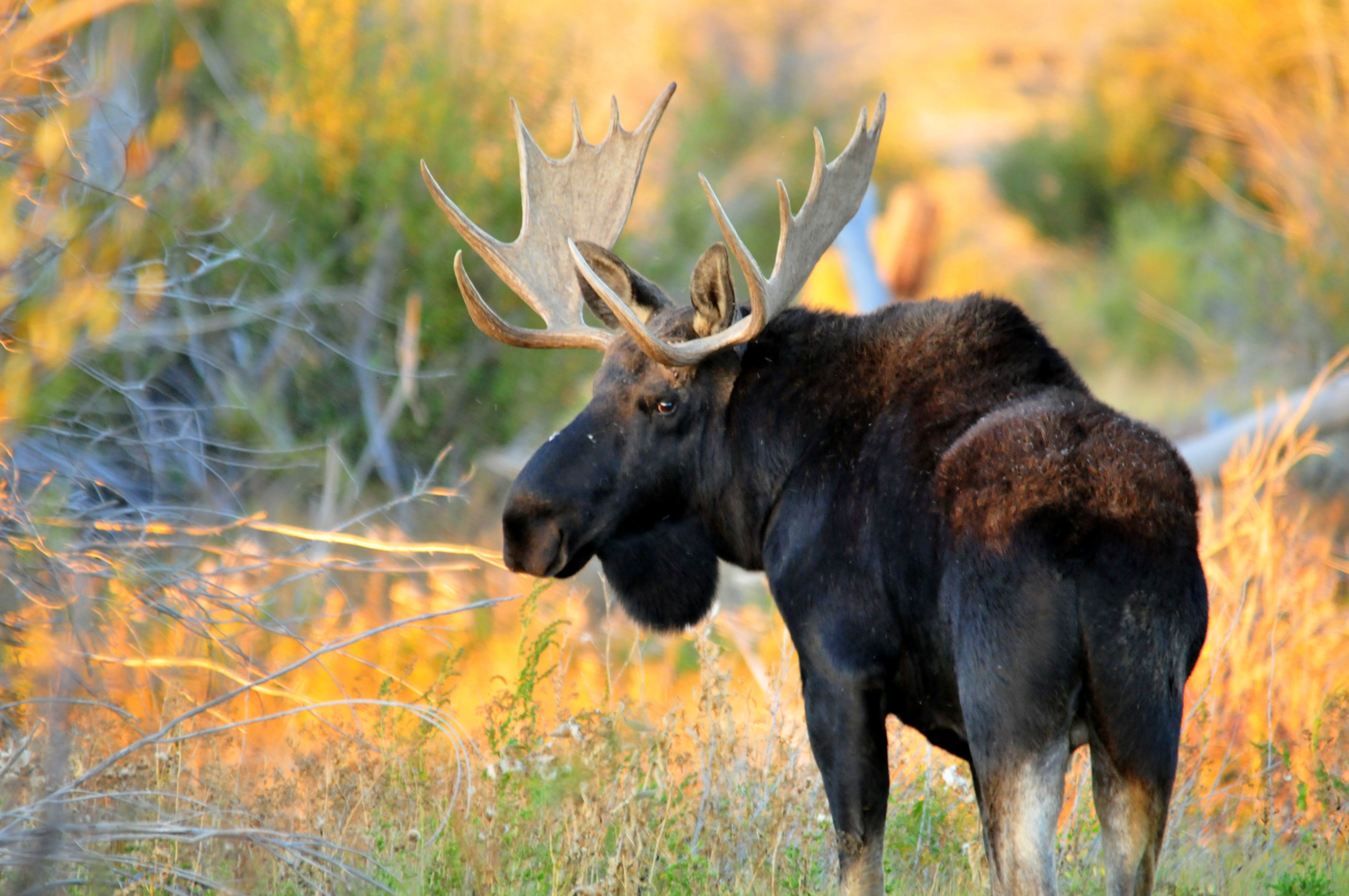
Shiras bull moose, photo courtesy of USFWS